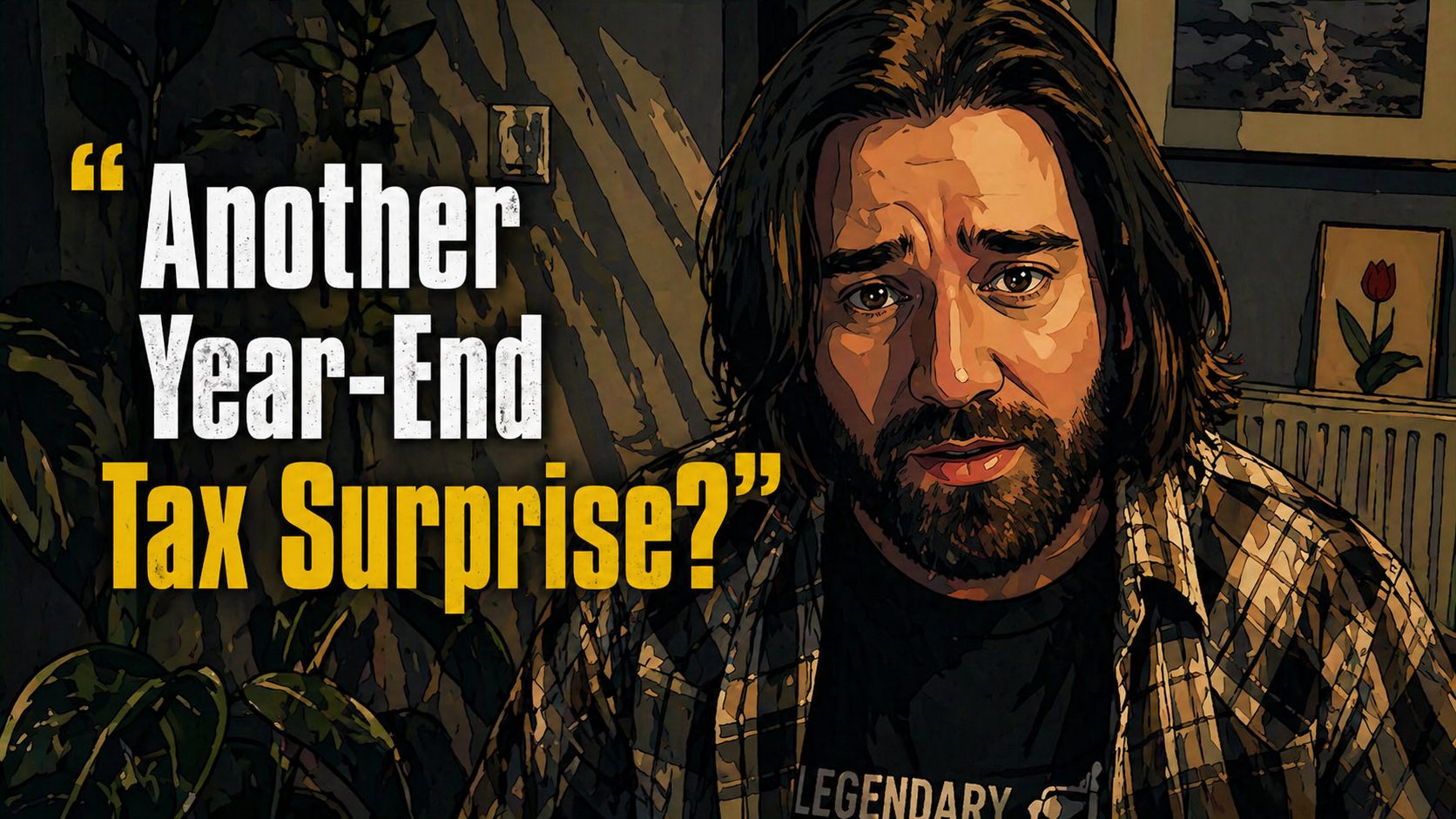

Every year, many business owners go through the same experience. The year was strong. Revenue was up. Maybe you even hired, invested in growth, or celebrated a big win.
Then the tax bill comes in. And suddenly, what felt like a great year doesn’t feel so great anymore. If that sounds familiar, you’re not alone. The “year-end surprise” is one of the most common frustrations for small-business owners.
The good news is that it’s also one of the most preventable.
Why the Year-End Tax Surprise Happens
For most businesses, the issue isn’t the tax itself. It’s timing and visibility. Taxes are often treated as a once-a-year event, instead of something that should be monitored throughout the year.
When that happens:
- decisions are made without understanding the tax impact
- profits increase, but no cash is set aside
- growth happens faster than planning
By the time the return is prepared, the outcome is already locked in.
Many business owners only think about taxes at year-end, which is often too late. We break this down further in our guide to small business tax planning in Canada and how to avoid CRA surprises after tax season.
Profit Doesn’t Equal Cash
One of the biggest misconceptions in business is that profit equals available cash. In reality, they are very different.
You might:
- generate strong revenue
- reinvest into hiring or marketing
- extend payment terms to customers
But still not have enough cash when taxes are due. That’s where many businesses get caught off guard. Managing the timing of cash in and out of your business is critical, especially when tax obligations are approaching.
Strong businesses understand how to stay ahead of this by actively managing receivables and payables. We explore this further in how smart businesses manage accounts receivables and payables to keep cash flow healthy.
It’s Not Just About What You Owe
Sometimes the issue isn’t just a high tax bill. It’s also missed opportunities.
Without proactive planning, many businesses:
- miss deductions
- fail to optimize their structure
- overpay without realizing it
In other words, they’re not just surprised; they may also be leaving money on the table. If you’ve ever wondered whether that’s happening in your business, it’s worth understanding whether you might be leaving money on the table.
We offer a free assessment that walks through common areas where businesses overpay or miss opportunities, including overlooked deductions, inefficient tax structures, and gaps in how financials are reviewed, so you can quickly assess whether there are opportunities to improve.
Why Reactive Accounting Leads to Surprises
The root of the problem is usually a reactive approach. In a reactive model:
- financials are reviewed after year-end
- decisions are made without real-time insight
- tax planning happens too late
This is exactly how many year-end surprises happen in practice. It’s not one big mistake; it’s a series of small decisions made without clear, real-time visibility.
We turned this scenario of the dreaded year-end surprise into a short comedy skit titled:
Bad Accountant: The Year-End Horror Story.
While it’s meant to be entertaining, the situation it highlights is very real and one we see happen far more often than it should.
A proactive approach, on the other hand, involves:
- reviewing financials regularly
- estimating tax liabilities throughout the year
- adjusting decisions in real time
This shift alone can dramatically reduce unexpected outcomes.
How to Avoid the Year-End Surprise Going Forward
If you want to avoid going through this again, the solution is not complicated…but it does require consistency.
1. Estimate taxes throughout the year
Don’t wait until year-end. Build regular tax estimates into your process.
2. Set aside cash consistently
Treat tax as an ongoing obligation, not a one-time expense.
3. Review your financials regularly
Monthly or quarterly reviews can help you spot issues early.
4. Plan before making major decisions
Hiring, investing, or expanding all have tax implications.
5. Take a proactive approach
The earlier you identify potential issues, the more options you have.
Final Thoughts
The year-end tax surprise isn’t just about taxes. It’s a symptom of a bigger issue: Lack of visibility and proactive planning. When you shift from reactive to proactive financial management, things change.
You gain:
- clarity
- control
- confidence in your decisions
And most importantly… You stop being surprised.
If you want help building a more proactive financial strategy and avoiding these types of surprises in the future, you can contact our team to start a conversation. Here are the services we offer when it comes to proactive accounting.