
An Opinion Piece by: Daryl Ching
As Canada renews trade discussions with partners across the Indo-Pacific, including India, Japan and Australia, Ottawa is once again emphasizing the need to diversify the country’s trade relationships.
The goal is obvious. Canada remains heavily dependent on the United States. But if Canada is serious about trade diversification, it must confront a practical reality that receives far less attention. Canada does not lack exporters. It has thousands of them. They simply export to one country.
For decades, the United States has functioned as Canada’s default international market. Thousands of Canadian small and medium-sized businesses sell across the border, managing foreign currency exposure, cross-border logistics and international tax rules. In many industries, the U.S. market is simply the next step in domestic expansion.
Those capabilities matter. Becoming an exporter is one of the hardest transitions a small business can make. But expanding from one export market to several is an entirely different challenge. Exporting to the United States is often closer to regional trade than global commerce. Transportation is straightforward. Regulations are familiar. Payment cycles are manageable.
Selling into markets such as India, Japan or Southeast Asia introduces a very different level of complexity. Shipping times stretch from days to weeks. Inventory commitments grow. Payment cycles can extend for months. Certification requirements vary widely across jurisdictions. And without local distribution partners, many firms struggle to reach customers at all.
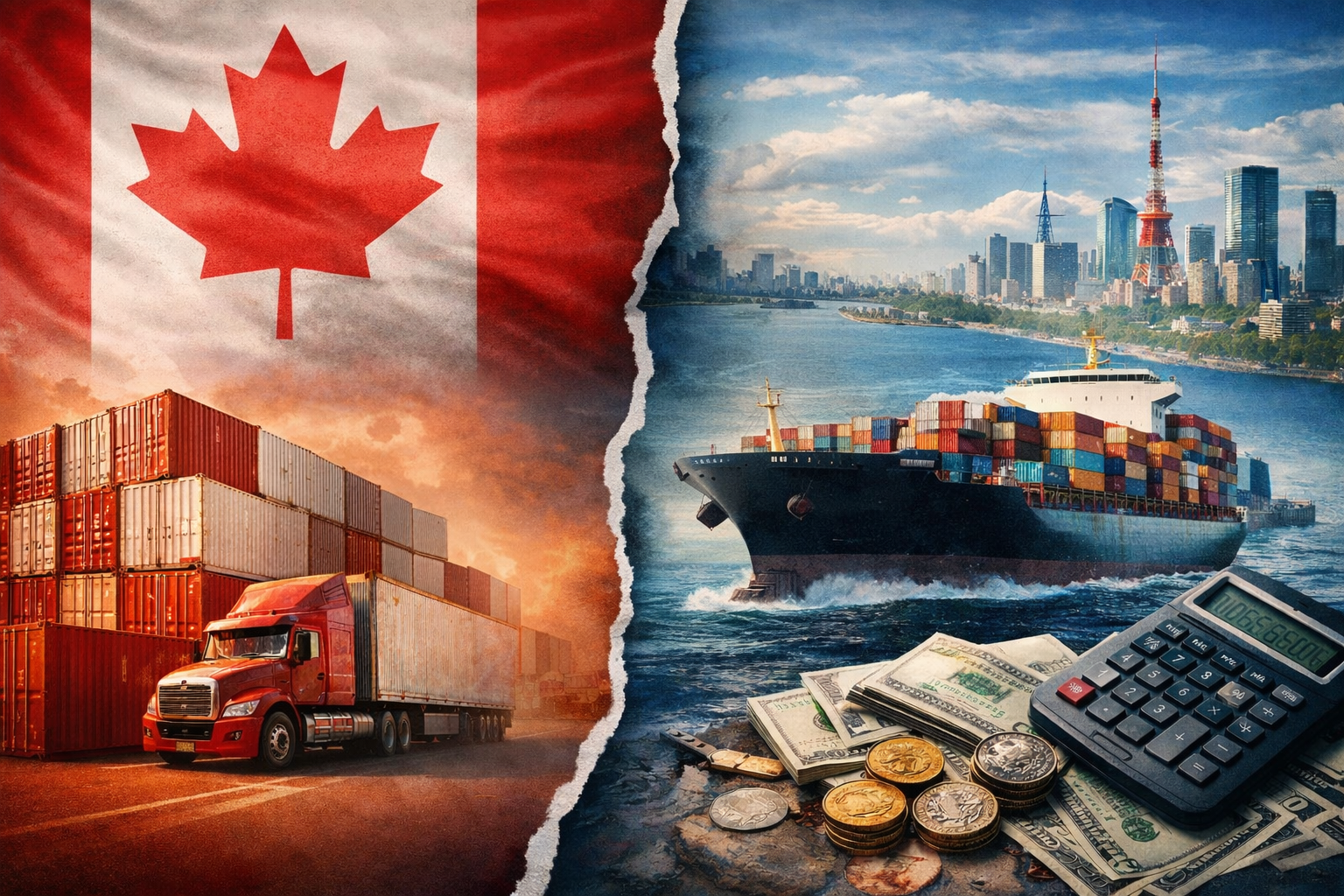
Large multinational corporations can absorb these challenges. Most small businesses cannot. One of the biggest barriers is working capital. A Canadian company selling to a U.S. customer might ship goods by truck and receive payment within 30 days. Selling the same product to Asia can stretch that timeline to 90 days or longer once shipping times and customs clearance are factored in. During that period, the exporter must still finance production, inventory and payroll. For smaller firms with limited balance sheets, that cash cycle can make expansion prohibitively risky.
Canada’s lending system does not always solve this problem. Large banks typically lend based on historical cash flow. They want to see stable earnings before extending credit. But export expansion often requires financing before the cash flow exists. A company entering a new market may need to invest in inventory, logistics and distribution months before revenues become predictable. From a lender’s perspective that can look like risk. From an entrepreneur’s perspective it is simply the cost of growth.
This is where Canada’s development finance institutions should play a larger role. The Business Development Bank of Canada was created to fill financing gaps where traditional lenders are reluctant to participate. Export Development Canada already provides tools such as export credit insurance and loan guarantees that reduce the financial risk of international trade.
Used more aggressively, these institutions could help bridge the working capital gap facing exporters entering new markets. Export credit insurance can protect against non-payment from foreign buyers, while loan guarantees can allow banks to extend larger credit facilities to firms financing overseas shipments.
Canada’s Trade Commissioner Service can also play an important role by helping small businesses identify reliable distributors and partners abroad, particularly in fast-growing Indo-Pacific markets where local relationships matter.
None of these tools require reinventing Canada’s trade strategy. They simply require focusing on the businesses that are already exporting. Canada does not need to create a new generation of exporters. It needs to help its existing exporters succeed in a second market. Because once a business has learned how to operate successfully in two international markets, the leap to a third becomes far less daunting.
If Canada wants to diversify its trade relationships, the path forward is surprisingly straightforward. Help its exporters go further.