

A Business Commentary by: Daryl Ching
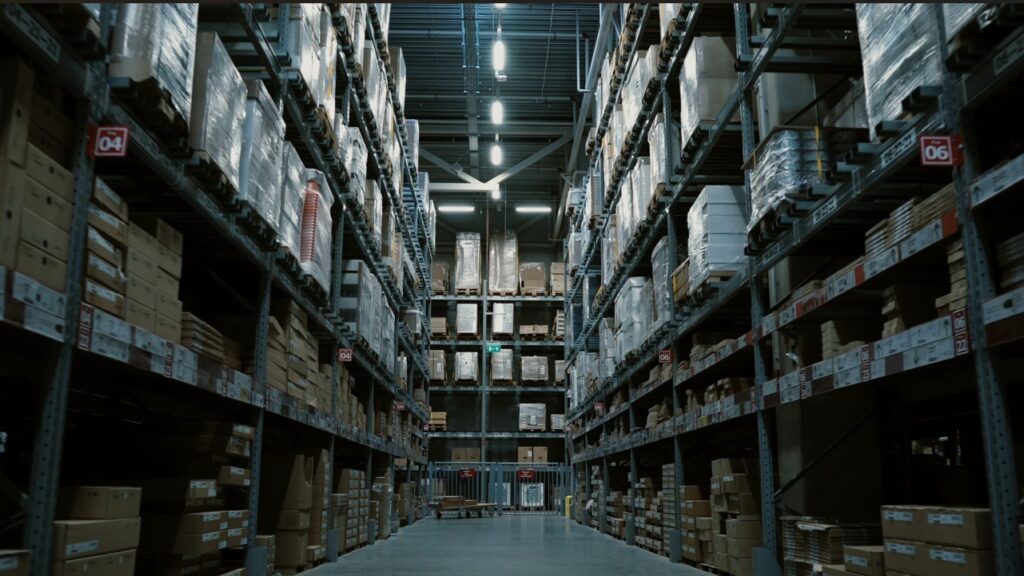
Several of my clients spent this year buying American raw materials they did not need yet. They were getting ahead of the counter-tariff deadlines, and I will not point fingers, because in some cases I helped them run the numbers and agreed with the call. But every one of those purchases cost something that no statistic will ever pick up. A planned hire got pushed. A system upgrade got shelved. An equipment purchase went on hold. The inventory ties up the cash, the operating line fills the gap, and the spending that was supposed to build the business quietly gets delayed. The stockpile sits in a warehouse earning nothing. The hire that never happens shows up nowhere, except eventually in the unemployment rate.
I am telling you this now because the federal budget lands on November 5, and rate-hike talk is back on Bay Street ahead of it. Part of the hike case is inflation, which came in at 3.1 per cent in September. The other part is a judgment about strength: that this economy has absorbed a trade war and stayed resilient. It is that second claim I want to examine, because in my opinion the number it leans on cannot carry the weight. I advise about 50 small and medium-sized businesses across this country, and from inside their books, a good chunk of the resilience is businesses playing defense.
GDP is the country’s income statement.
An income statement can tell you there was activity. It cannot tell you whether the activity made anyone better off, and this year a lot of it has not.
Think about what a tariff deadline does. Bulk orders move to beat it, on both sides of the border. Production and exports spike into the date and fall away after it, and the quarterly numbers have whipsawed around these deadlines since the trade war began. The activity is real, but a strong quarter built that way has robbed the next one to pay for it.
Then there is the money businesses are burning just to cope. Ottawa’s counter-tariffs cover roughly $27.6 billion a year in imports, and CFIB counts 45,414 Canadian businesses paying them, about three and a half times the number hit by Washington’s tariffs. Across my client base, the bills for customs brokers, consultants, supplier requalification and re-engineering around the tariff lists keep climbing.
Those dollars did not grow; they moved, from businesses that make things to businesses that navigate paperwork.
Meanwhile the damage lands where GDP never looks. One manufacturing client’s input costs are up roughly 25 per cent this year under the counter-tariffs, and they have passed on less than half of it. Revenue line largely unchanged. Margin eroded, and higher prices passed on to Canadian consumers. Across my client base, receivables are stretching and operating lines are more drawn than I have seen in years.

Let me be fair to the statisticians: they are doing their jobs correctly, and no government can set policy on my anecdotes. My point is about what the average hides. An average can hold while the businesses underneath it deteriorate, because a dollar spent in distress counts exactly the same as a dollar spent in strength, and the dollar that got shelved counts as nothing at all. September gave us a preview: the economy shed 68,000 jobs, and within two weeks the rate-hike calls were back anyway. CFIB puts 53,112 businesses directly in this trade war’s path. Their deadline-chasing and their compliance bills are in the GDP number. Their postponed hires and drawn credit lines are not.
An economy can post a respectable quarter while eating its own working capital.
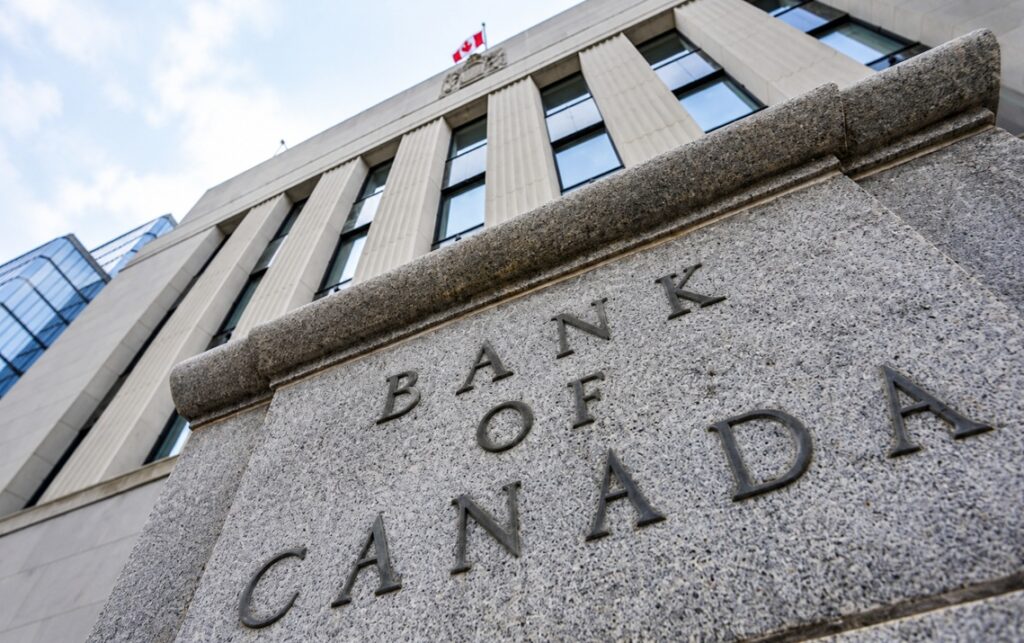
This brings us back to the Bank of Canada decision. Nearly 900,000 businesses took CEBA loans during the pandemic. About 80 per cent repaid in time to keep their forgivable portion. The roughly 175,000 that could not repay have been carrying term loans at five per cent interest since January 2024, and Finance Canada’s own briefing materials showed $8.1 billion still outstanding as of November 2024. Whatever remains of it comes due in full on December 31.
I am not asking Ottawa for a program. I am pointing out that the ledger the budget will basing its decisions on has a repayment cliff written into its final line. A government that taxes its own importers should not be surprised when the activity shows up in GDP. It should realize that this activity is not necessarily growth.
Daryl Ching, CFA, is the founder of Vistance Accounting, which advises small and medium-sized businesses across Canada.